The Northwoods of Wisconsin sit squarely in USDA Hardiness Zone 6A. For gardeners and farmers,
that means careful plant selection and timing. For builders, it means facing some of the most
challenging construction conditions in the country.
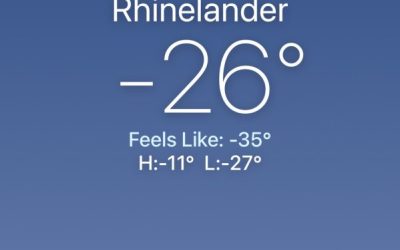
Zone 6A brings temperature swings from -30°F in January to 90°F+ in July. That 120-degree range
tests every material, every crew member, and every building technique. But at RVI, we’ve spent
decades learning how to work successfully in these extremes.
If you’re building in Northern Wisconsin, just once or for the long haul, understanding what Climate
Zone 6A really means can save you time, money, and major headaches down the road.
What Is Climate Zone 6A?
Climate Zone 6A is defined by its average annual minimum temperatures of -25°F to -20°F. But that’s
just the average. In reality, we see temperatures drop to -30°F or lower during our harshest winter
stretches.
According to USDA maps, Zone 6A includes areas like Northern Wisconsin, Minnesota, and parts of
North and South Dakota. But Northern Wisconsin’s Zone 6A comes with an added challenge – heavy
snow loads that can last for months!
This combination of extreme cold and significant snow creates building challenges you won’t find in
other parts of the country. What works in Milwaukee or Chicago (Both in Zone 5A) often fails up here.
Challenge 1: Working in Temperature Extremes
The biggest challenge starts before construction even begins: Getting your crew mentally prepared to
work productively in these conditions.
Picture this: It’s 6:00 a.m., -10°F, and your crew needs to get out of their warm trucks and work in frigid
conditions for the next eight hours. It’s not just uncomfortable, it’s genuinely dangerous if you are not
prepared. That takes a special kind of dedication, not to mention proper preparation of wearing extra
warm clothing, have shovels, sand/salt and chains for their vehicles at all times with a mental game
strong enough to push through it. It takes a mix of grit and discipline to work in Zone 6A’s elements.
And Zone 6A challenges don’t end when winter does. Summer can be tricky, too.
June through August present their own job-site challenges. Installing insulation in an attic when it’s
90°F outside can mean interior temperatures of 140°F. We’ve learned to start early and end early on
the hottest days to keep our crew safe and productive.
The temperature swings don’t just affect comfort, of course. They also affect work quality and job
timelines. Everything takes longer when you’re fighting extreme weather conditions.
Challenge 2: Materials That Aren’t Built for Zone 6A
Most construction products aren’t designed for Zone 6A temperature extremes. For example, caulks,
sealants, and spray foams all require warmer environments to perform properly.
We constantly adapt our approach to make standard products work in subzero conditions, such as:
● Warming up materials
● Changing our application techniques
● Storing supplies safely
The bottom line is that we (and you, the builder) can’t accept lower quality results just because it’s cold.
A winter insulation installation has to perform exactly the same as a summer job. There’s no “winter
grade” for insulation products like there is for diesel fuel!
This means taking extra care, extra time, and extra planning to ensure every product performs to
specification, regardless of the outdoor temperature.
Challenge 3: Equipment Struggles in Extreme Weather
Cold weather is hard on equipment! For example, trucks need to be plugged in overnight. We switch to
winter-grade oils, and some vehicles require chains during snowy seasons.
Everything mechanical works harder when it’s -20°F. Batteries die faster, and hydraulics move slower.
Simple tasks become complicated when your tools are fighting the weather.
Hot weather presents different equipment challenges. Generally, our equipment handles hot weather
better than extreme cold, but overheating becomes a concern during peak summer conditions.
Choosing the Right Insulation Partner in Climate Zone 6A
Choosing a reliable and knowledgeable insulation partner is one of the best decisions you will make
when working in the Wisconsin Northwoods. We know that your insulator from two zones south might
be excellent in their area, but Zone 6A presents completely different challenges.
The same house built the same way in Milwaukee might perform perfectly well. But in Zone 6A with our
snow loads and extreme temperature swings, those techniques will fall short.
We’ve watched builders come north and struggle with failed timelines, unmet expectations, and poor
home performance. Beautiful-looking homes are at risk for developing ice dams (due to heavy snow
loads that last for months) and water leaks (due to those ice dams) because they weren’t built for our
specific climate realities.
And those kinds of problems escalate quickly from annoying to expensive to downright dangerous.
Building Science for Extreme Climates
Understanding energy efficiency and the specific details required for Northern Wisconsin homebuilding
is going to make-or-break your project’s success. Zone 6A demands building science approaches that
account for our unique combination of extreme hot/cold, moisture swings and heavy snow loads.
But building in Northern Wisconsin’s Zone 6A isn’t impossible; we do it successfully year-round! It just
requires understanding that our climate zone presents unique challenges and making smart choices
about local subs and adapted techniques.
Next month, we’re diving deeper into Zone 6A challenges and discussing how to make informed
insulation choices (both for your products and your installers) when building in our extreme climate.
Subscribe to our email newsletter so you don’t miss this important info!